Uttarakhand Governance (Executive) – Part 2
Directorate, Divisions, Administrative History, District System, Advocate General Full Details
Introduction
The Uttarakhand Governance Executive system (Part-2) explains the remaining administrative structure of the state, which is essential to understand how policies are implemented at different levels. In Part-1, we studied the Governor, Council of Ministers, Chief Minister and Secretariat. Now, in this part, we will focus on the practical and ground-level administration of Uttarakhand.
The Uttarakhand Executive system is not limited to policy making only. It also includes the implementation machinery such as the Executive Departments (Directorate), Divisions, District Administration, Tehsil system and Development Blocks. These units ensure that government policies are properly executed across the state.
In this article, we will also study the historical development of administration in Uttarakhand, from the British period to the present structure. Additionally, we will understand the role of the Advocate General, who is the highest legal officer of the state.
By the end of this part, you will have a complete understanding of the Uttarakhand Governance Executive system, including both policy-making and implementation levels.
Executive Department (Directorate)
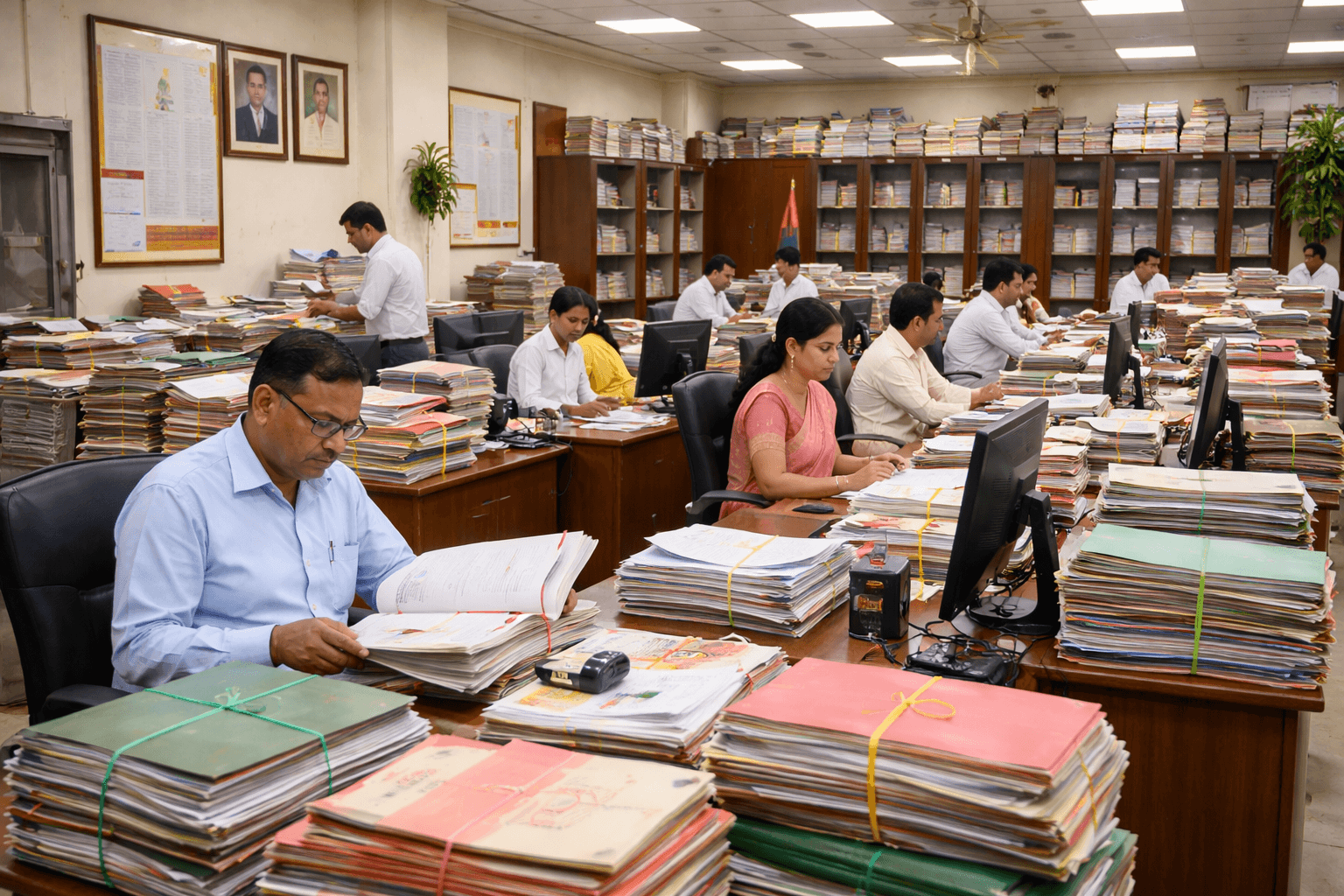
State administration has three main levels after the formation of government:
- Council of Ministers – Political head
- Secretariat – Administrative head
- Executive Department / Directorate – Implementing body
The Council of Ministers makes policies.
The Secretariat prepares and controls administrative work.
The Executive Department (Directorate) implements the policies.
Therefore, the Directorate is the main executing organ of the state administration.
Each department of the government works under a Government Secretary.
Example of departments:
- Home Department
- Police Department
- Jail Department
- Internal Security Department
- Revenue Department
- Education Department
- Health Department
For example:
Under Home Secretary →
- Police
- Jail
- Internal Security
- Law and order work
These departments have offices at different levels such as:
- State level
- Division level
- District level
- Tehsil level
Thus the Directorate extends up to the lowest level of administration.
Divisional Administration in Uttarakhand
In general and revenue administration, after the head of department there is a Divisional Commissioner.
The Divisional Commissioner looks after:
- Law and order
- Revenue collection
- Administrative supervision
- Coordination of districts
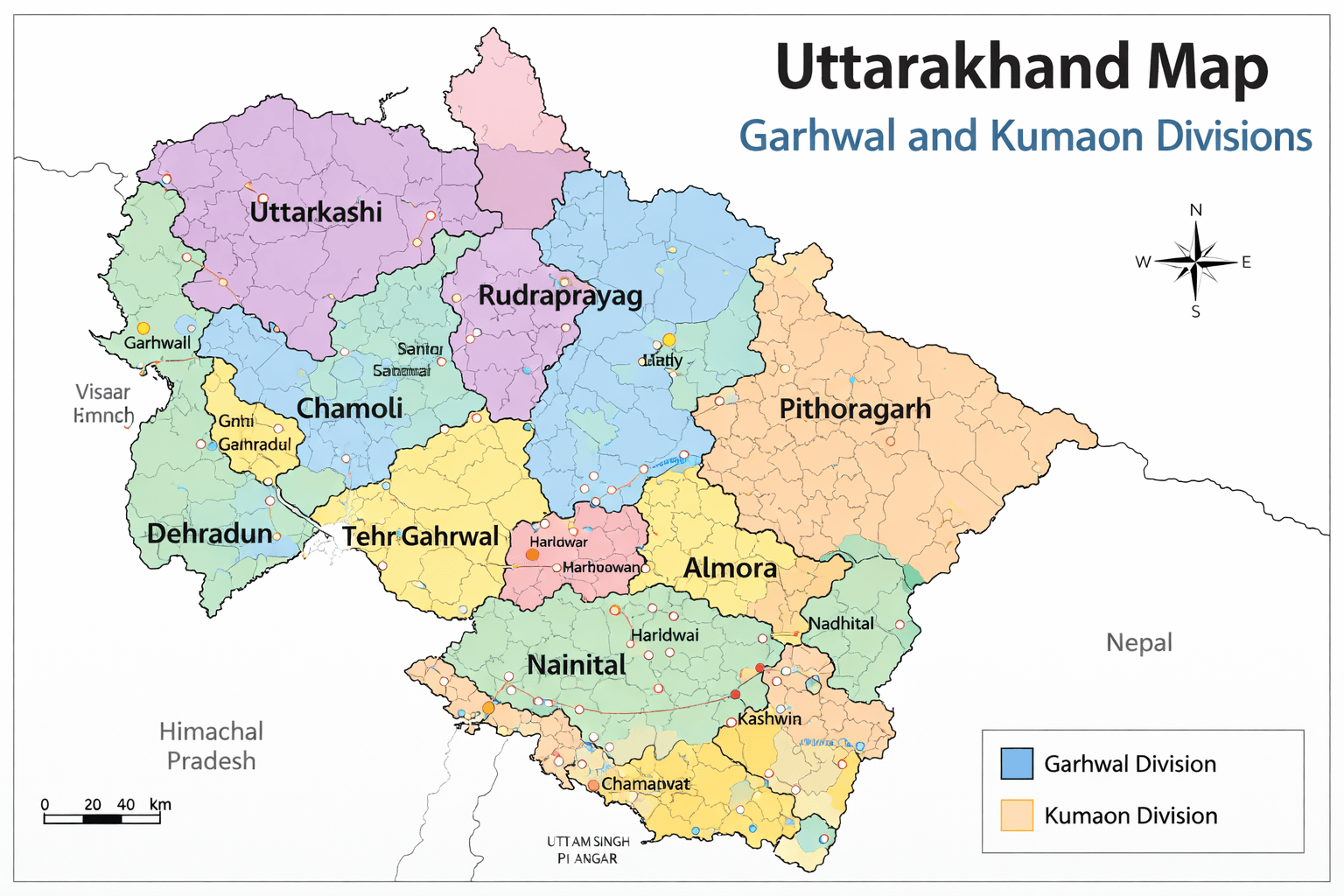
At present Uttarakhand has two divisions:
- Garhwal Division
- Kumaon Division
Garhwal division has the maximum number of districts.
Divisional level is important because it connects state government with district administration.
Historical Development of Administration in Uttarakhand
The administrative system of Uttarakhand developed during British rule.
British annexation
- 1814 → British annexed Garhwal
- 1815 → British annexed Kumaon
After this:
- Kumaon district was formed
- Area taken from Garhwal king was made a pargana of Kumaon
- In 1817 → Dehradun made a district
- Dehradun included in Saharanpur
Thus in the beginning of British rule there were only two units:
- Kumaon district
- Tehri princely state
Changes in 1840
In 1840:
- Headquarters of British Garhwal shifted from Srinagar to Pauri
- New district formed → Pauri Garhwal
Changes in 1854
In 1854:
- Nainital became headquarters of Kumaon division
Till 1890 there were only two districts:
- Kumaon
- Pauri Garhwal
Changes in 1891
In 1891 Kumaon was divided into two districts:
- Almora
- Nainital
This situation continued till independence.
Thus before independence there were:
- Pauri
- Almora
- Nainital
- Tehri princely state
After Independence
On 1 August 1949:
- Tehri princely state merged
- Became fourth district of Kumaon division
Till 1960:
Except Mussoorie, Chakrata and Dehradun,
whole mountain region was in Kumaon division.
Changes in 1960
In 1960 new districts formed:
- Uttarkashi from Tehri
- Chamoli from Pauri
- Pithoragarh from Almora
Changes in 1970
In 1970:
Garhwal Mandal formed
Headquarter → Pauri
Changes in 1975
In 1975:
Dehradun removed from Meerut division
Added to Garhwal division
Changes in 1988
Haridwar district created
Date → 28 December 1988
After formation of Uttarakhand state:
Haridwar included in Garhwal division
Changes in 1995
Udham Singh Nagar district created
Date → 26 December 1995
Changes in 1997
Three districts created:
- Champawat → 15 September 1997
- Rudraprayag → 18 September 1997
- Bageshwar → 18 September 1997
Present Administrative Structure of Uttarakhand
Below Division → District
Total districts = 13
Each district is headed by:
District Magistrate (DM)
DM functions:
- Law and order
- Revenue
- Administration
- Election work
- Disaster control
Tehsil Administration
Below district → Tehsil
Total Tehsils = 78
Before formation of state → 49
29 new tehsils formed before Lok Sabha election 2004
Sub-Tehsil = 7
Tehsil head → Sub-Divisional Magistrate (SDM)
Functions:
- Revenue work
- Land records
- Law and order
- Administration
Development Administration
Like general administration, development administration also has levels.
Levels:
- State level
- District level
- Block level
Total blocks = 95
Block level officer → BDO
Work:
- Rural development
- Panchayat work
- Government schemes
- Agriculture
- Welfare programs
Advocate General
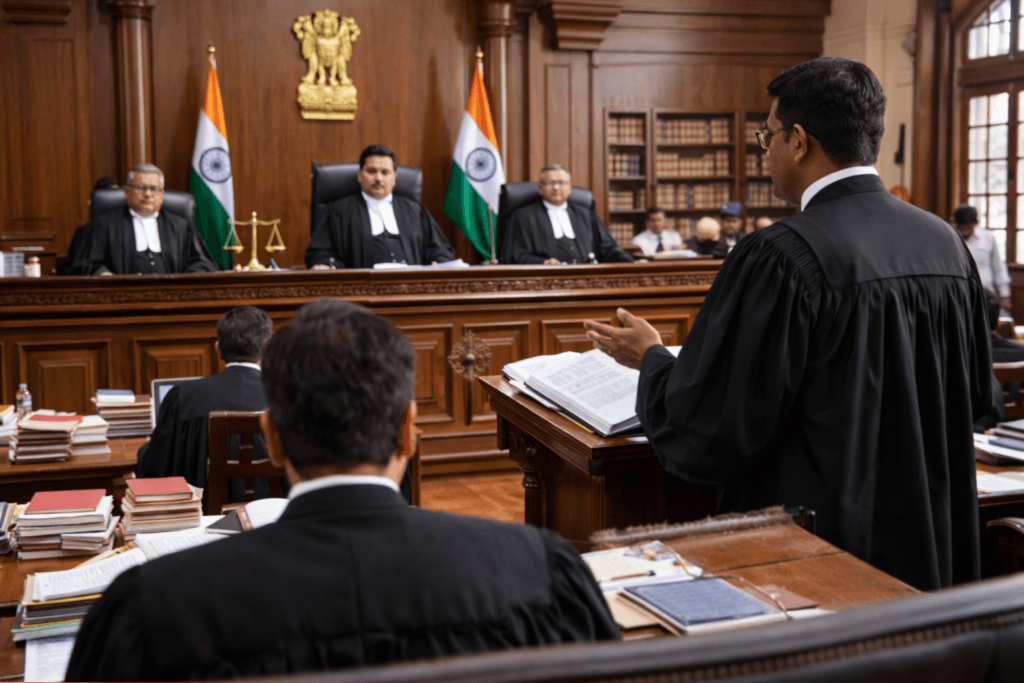
According to Article 165 of the Constitution, there shall be an Advocate General for the state.
The Advocate General is the highest law officer of the state.
Appointment
- Appointed by Governor
- No fixed term
- Holds office during pleasure of Governor
Qualification
Must be:
- Citizen of India
- 10 years judicial work
OR - Advocate in High Court for 10 years
Functions
- Advises Governor on legal matters
- Represents state in court
- Performs legal duties assigned by Governor
- Can speak in Assembly
- Cannot vote
First Advocate General of Uttarakhand:
Meherban Singh Negi
Q1 Uttarakhand me kitne division hai?
2 division — Garhwal aur Kumaon
13 districts
Policy ko implement karna
District administration control
SDM
Governor
Highest administrative officer
Releted Post:-
- Major Organizations of Uttarakhand
 Major Organizations of Uttarakhand: Foundations of Political and Social Awakening Introduction The history of Uttarakhand is not only shaped by its geography and culture, but also by the organizations that awakened political, social, and regional consciousness among its people.From the early 20th century, several organizations were actively formed, while many others were later established under… Read more: Major Organizations of Uttarakhand
 - Uttarakhand Political-Administrative StructureUttarakhand: Political-Administrative Structure Uttarakhand, a Himalayan state of India, is known not only for its natural beauty but also for its distinct political and administrative identity. The state plays a vital role in preserving Himalayan ecology, culture, and governance traditions. Its political-administrative structure reflects both constitutional values and regional uniqueness. Uttarakhand was formed on 9… Read more: Uttarakhand Political-Administrative Structure
- Uttarakhand Welfare SchemesUttarakhand Welfare Schemes ‘Uttarakhand Welfare Schemes’ are run by the Government of Uttarakhand for the welfare of Scheduled Castes (SC), Scheduled Tribes (ST), Other Backward Classes (OBC), and Minority communities. These schemes are mainly operated by the Social Welfare Department of the state, while some are also run by the Central Government. Important schemes include… Read more: Uttarakhand Welfare Schemes