
Uttarakhand Governance (Executive) Detais
Introduction
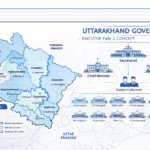
The Uttarakhand Governance Executive system is an important part of the state administration. Like other states of India, the Uttarakhand Governance system works according to the Constitution of India, especially the provisions given in Chapter-6 (Articles 152 to 237). The Executive of Uttarakhand includes the Governor, Council of Ministers, Chief Minister and Secretariat, which together run the administration of the state.
According to the Constitution, the Parliamentary system of government is followed in Uttarakhand. In this system, the Governor is the constitutional head, while the real executive power is exercised by the Council of Ministers headed by the Chief Minister.
The governance of Uttarakhand has three main organs:
- Executive
- Legislature
- Judiciary
In this article, we will study the Uttarakhand Executive system in detail, including the Governor, Council of Ministers, Chief Minister and Secretariat.
1. Executive
Governor, Council of Ministers, Secretariat, Departments, Advocate General
2. Legislature
Governor and Legislative Assembly
3. Judiciary
High Court and Subordinate Courts
Among these, the Executive is responsible for running the administration of the state.
Executive
The Executive is the part of government that actually runs the administration and implements laws.
The Executive in Uttarakhand consists of:
- Governor
- Council of Ministers
- Chief Minister
- Secretariat
- Executive Departments (Directorate)
- Administrative Divisions
- Advocate General
The executive power of the state is formally vested in the Governor, but in practice it is exercised by the Council of Ministers.
Governor
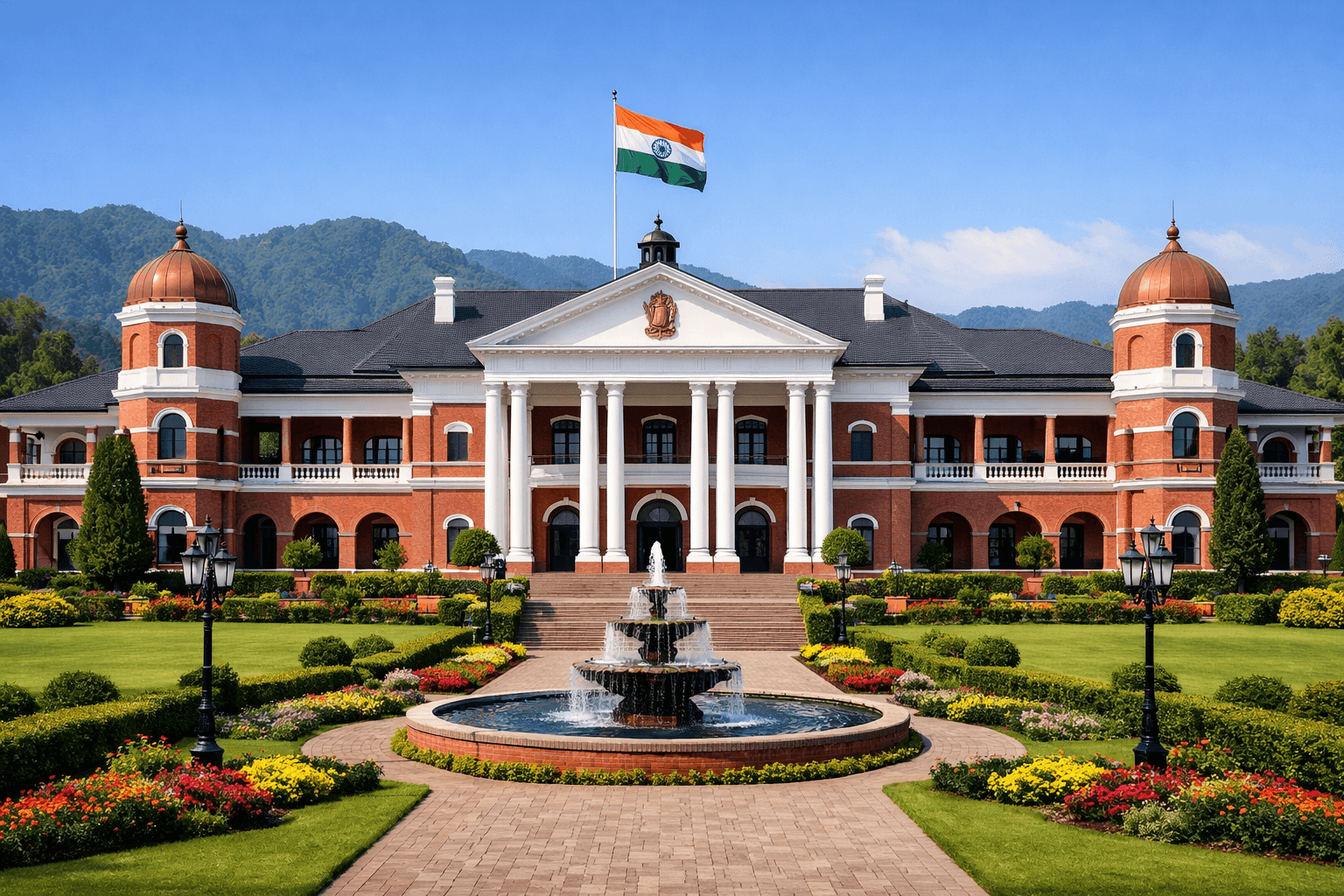
According to Article 153 of the Constitution, there shall be a Governor for each state.
The Governor is the constitutional head of the state.
The executive power of the state is vested in the Governor, but he does not exercise this power personally.
He uses this power through his ministers and officers.
Therefore, the Governor is called:
- Constitutional Head
- Nominal Head
- First Citizen of the State
The Governor also acts as the Chancellor of State Universities.
Appointment
The Governor is appointed by the President of India.
- Term = 5 years
- Holds office during pleasure of President
- Can be removed anytime
- Can resign anytime
Even though the term is five years, the Governor may continue until the President appoints a new Governor.
Powers
- Executive powers
- Legislative powers
- Financial powers
- Judicial powers
- Discretionary powers
In discretionary matters, the Governor can act independently.
Council of Ministers
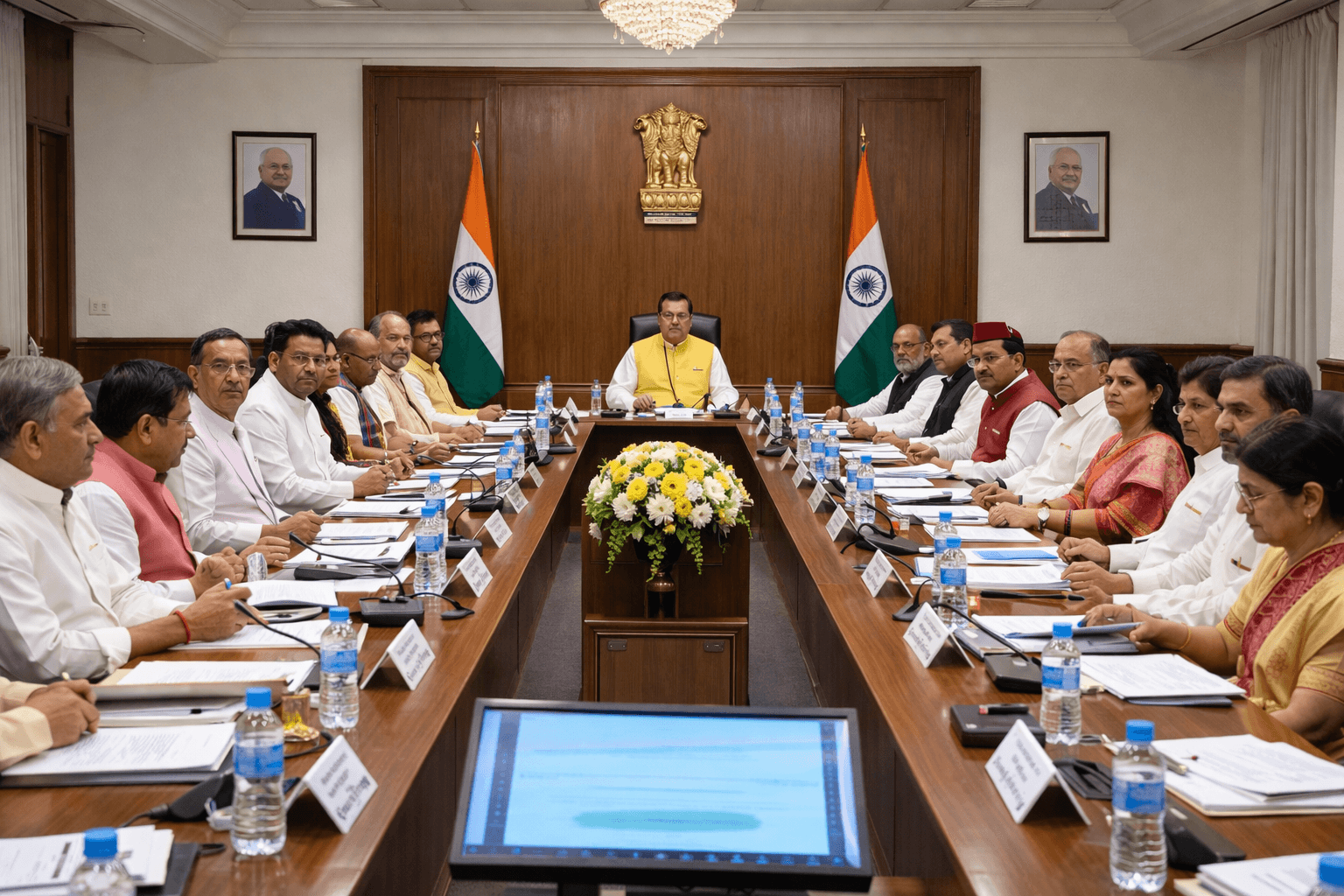
According to Article 164 of the Constitution, the Governor appoints the Chief Minister, and on his advice appoints other ministers.
After appointment, ministers take oath of office and secrecy according to Schedule III of the Constitution.
Ministers hold office during the pleasure of the Governor.
However, in practice, the Governor acts according to the advice of the Chief Minister.
Structure of Council of Ministers
- Chief Minister
- Cabinet Ministers
- Ministers of State
- Deputy Ministers (if appointed)
Functions
The Council of Ministers performs:
- Administrative functions
- Legislative functions
- Financial functions
- Policy making functions
The Council of Ministers is the real executive of the state.
Importance
- It runs the government
- It prepares policies
- It guides the legislature
- It connects executive and legislature
Therefore it is called:
- Policy making body
- Deliberative body
- Axis of governance
Chief Minister
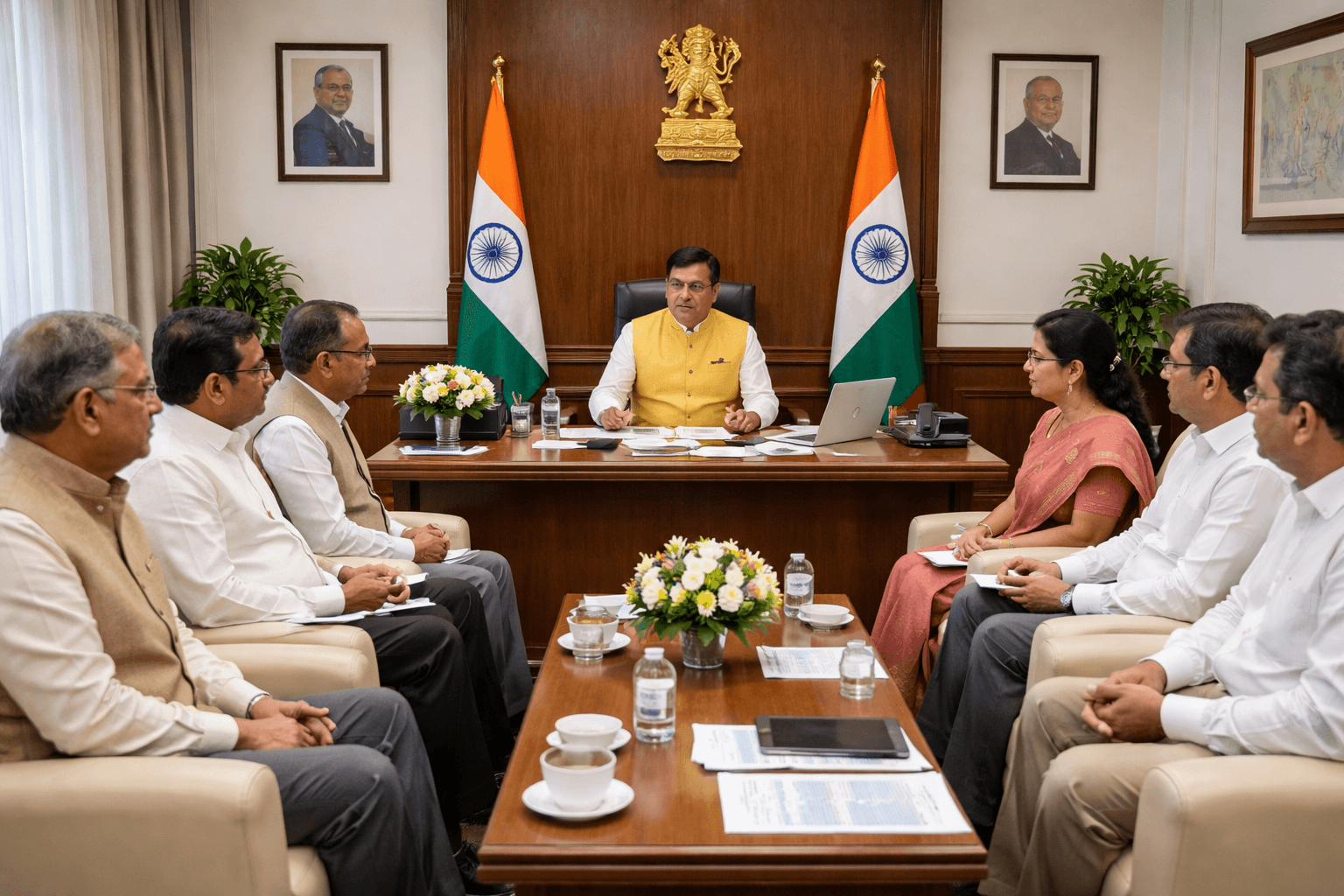
The Chief Minister is the real head of the state executive.
Although the Governor is the constitutional head, the actual administration is run by the Chief Minister.
He is the leader of the Council of Ministers.
He has a special position in the cabinet.
Because of his powers and functions, the Chief Minister can be compared with the Prime Minister at the Centre.
Position of Chief Minister
- Head of Council of Ministers
- Leader of majority party
- Advisor to Governor
- Controller of administration
Functions
- Selects ministers
- Allocates departments
- Guides policy
- Coordinates administration
- Represents state
He is called the Captain of the State Government.
Secretariat
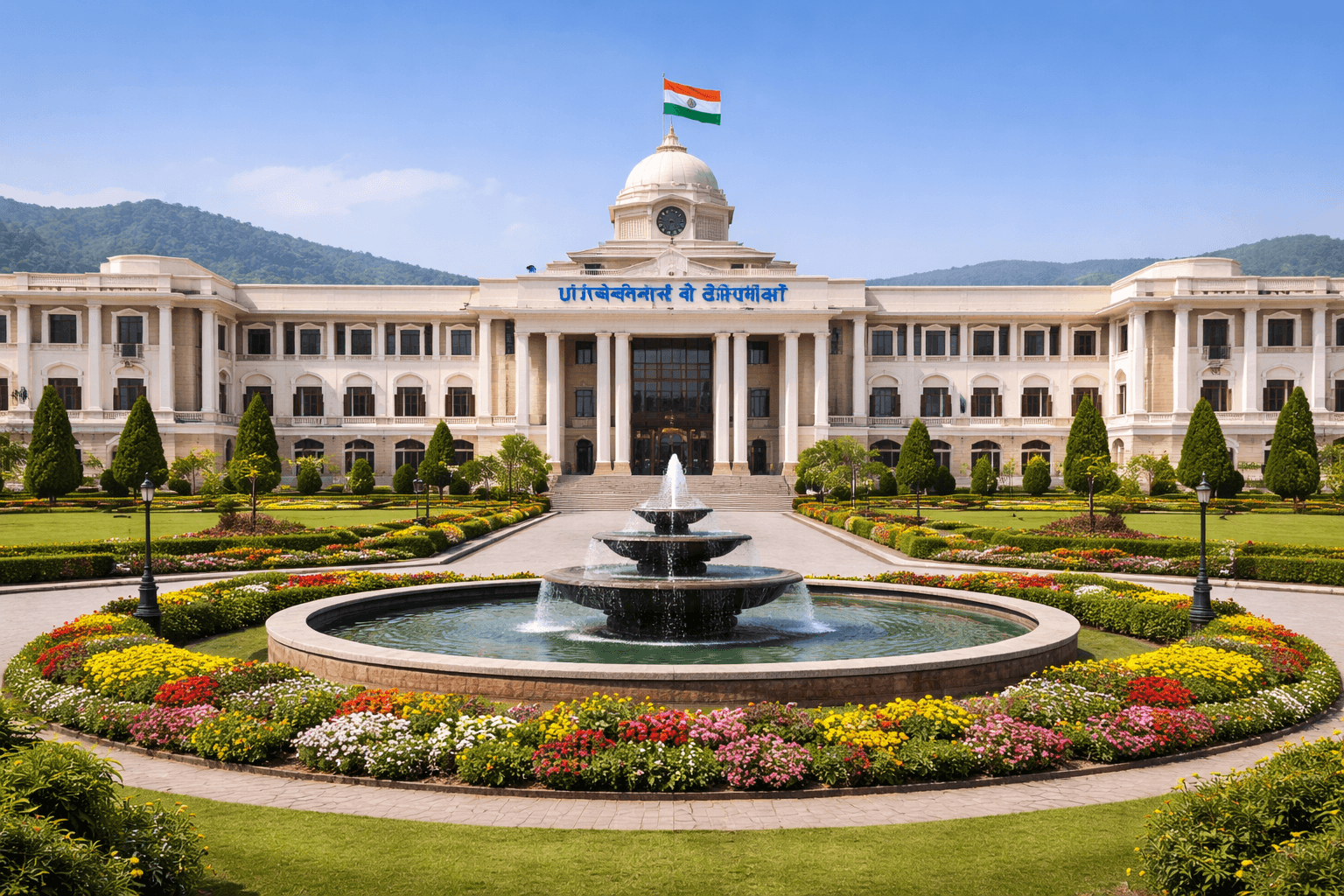
The members of the Council of Ministers are elected representatives of the people.
They are not always experts in administration.
Therefore, to help them in administration, a permanent administrative body exists.
This body is called the State Secretariat.
The Secretariat works under the leadership of the Chief Secretary.
Structure of Secretariat
- Chief Secretary
- Secretaries
- Additional Secretaries
- Joint Secretaries
- Deputy Secretaries
- Section Officers
Each department has a secretary called:
Government Secretary
Chief Secretary
The Chief Secretary is the highest administrative officer in the state.
He is usually a senior IAS officer.
His position in the state is similar to the Cabinet Secretary at the Centre.
He is called the Pivot of the State Administration.
Functions of Secretariat
- Supervising administration
- Controlling departments
- Preparing policy material
- Advising ministers
- Collecting information
- Presenting reports
- Implementing decisions
The Secretariat plays the role of:
- Supervisory body
- Controlling body
- Advisory body
Without the Secretariat, administration cannot function properly.
Conclusion (Part-1)
In this part, we studied the Executive system of Uttarakhand including the Governor, Council of Ministers, Chief Minister and Secretariat.
These institutions form the core of the state administration and help in running the government according to the Constitution of India.
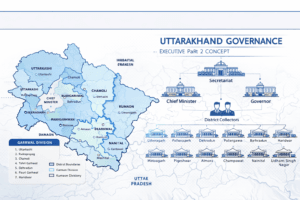
However, the administrative structure of Uttarakhand is not complete without understanding the Directorate, Divisions, District Administration, Tehsil system, Development blocks and Advocate General.
These topics are explained in the next part of this article.
Read Next Part of This Topic
To understand the complete governance system of Uttarakhand, read Part-2 of this article.
In Part-2 you will learn:
- Executive Department (Directorate)
- Garhwal and Kumaon Divisions
- Administrative History of Uttarakhand
- District, Tehsil and Block Structure
- Advocate General of Uttarakhand
👉 Read Next Part – Uttarakhand Governance (Executive) Part-2
Q1 Governor term kitna hota hai?
5 years, but during pleasure of President.
Council of Ministers.
Highest administrative officer.
2 division.
13 districts.
Governor.
Policy, supervision, control.
Others Post:-
- Rudraprayag Uttarakhand
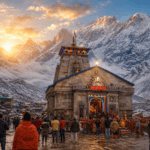
 SummaryThis article provides a complete overview of Rudraprayag, a spiritually important district in Uttarakhand. It explains the significance of the sacred confluence of the Alaknanda River and Mandakini River, which is one of the Panch Prayag. The article also highlights major religious sites like Kedarnath Temple, Tungnath Temple, and Madmaheshwar Temple, along with their mythological… Read more: Rudraprayag Uttarakhand
 - 🌊 Sharda River Origin Glacier & Kali River System🌊 Sharda River Origin Glacier & Kali River System – Complete Guide (Uttarakhand Eastern Rivers) 📝 Introduction The Sharda River, also known as the Kali River, is one of the most important rivers in the eastern river system of Uttarakhand. Originating from the remote Himalayan glaciers, this river plays a crucial role in shaping the… Read more: 🌊 Sharda River Origin Glacier & Kali River System
- Chamoli Gopeshwar – Part 2Chamoli Gopeshwar – Part 2: Divya Sthal, Hidden Gems aur Himalayan Adventures ka Sampoorna Margdarshan 🔰 Introduction Chamoli aur Gopeshwar ki adbhut kahani ko samajhne ke liye Part 1 bahut mahatvapurn hai, jahan humne is pavitra bhoomi ke itihaas, dharmik mahatva aur sanskritik virasat ko detail me samjha. Agar aapne abhi tak use nahi padha… Read more: Chamoli Gopeshwar – Part 2
- 🌄 Bilwa aur Neel Parvat ki Prachin Pauranik Katha🌄 Bilwa aur Neel Parvat ki Prachin Pauranik Katha – Haridwar ka Adhyatmik Rahasya ✨ Introduction (Pauranik Drishtikon se) Haridwar ko prachin granthon mein “Moksh ka Dwaar” kaha gaya hai. Yeh pavitra nagri Shivalik Range ke beech sthit hai, jahan Bilwa aur Neel Parvat do divya shaktiyon ke roop mein virajmaan hain. Pauranik kathao ke… Read more: 🌄 Bilwa aur Neel Parvat ki Prachin Pauranik Katha
- Uttarakhand Governance (Executive) – Part 2Uttarakhand Governance (Executive) – Part 2 Directorate, Divisions, Administrative History, District System, Advocate General Full Details Introduction The Uttarakhand Governance Executive system (Part-2) explains the remaining administrative structure of the state, which is essential to understand how policies are implemented at different levels. In Part-1, we studied the Governor, Council of Ministers, Chief Minister and… Read more: Uttarakhand Governance (Executive) – Part 2

Pingback: Uttarakhand Governance (Executive) – Part 2 | singhudayblog