
Uttarakhand History
Introduction to Uttarakhand History
Uttarakhand History finds its earliest reference in the Rigveda, where this sacred land was described as Dev Bhoomi—the land of gods and sages. In ancient Vedic and Puranic texts, Uttarakhand was known by several names such as Uttarakuru, Brahmapur, Badrikashram, Tapobhoomi, and Swargbhoomi.
In the Skanda Purana, Uttarakhand was clearly divided into two major regions—Manaskhand and Kedarkhand. At that time, the boundary between these two regions passed through the Nanda Devi peak. This division forms the foundation of Uttarakhand History.
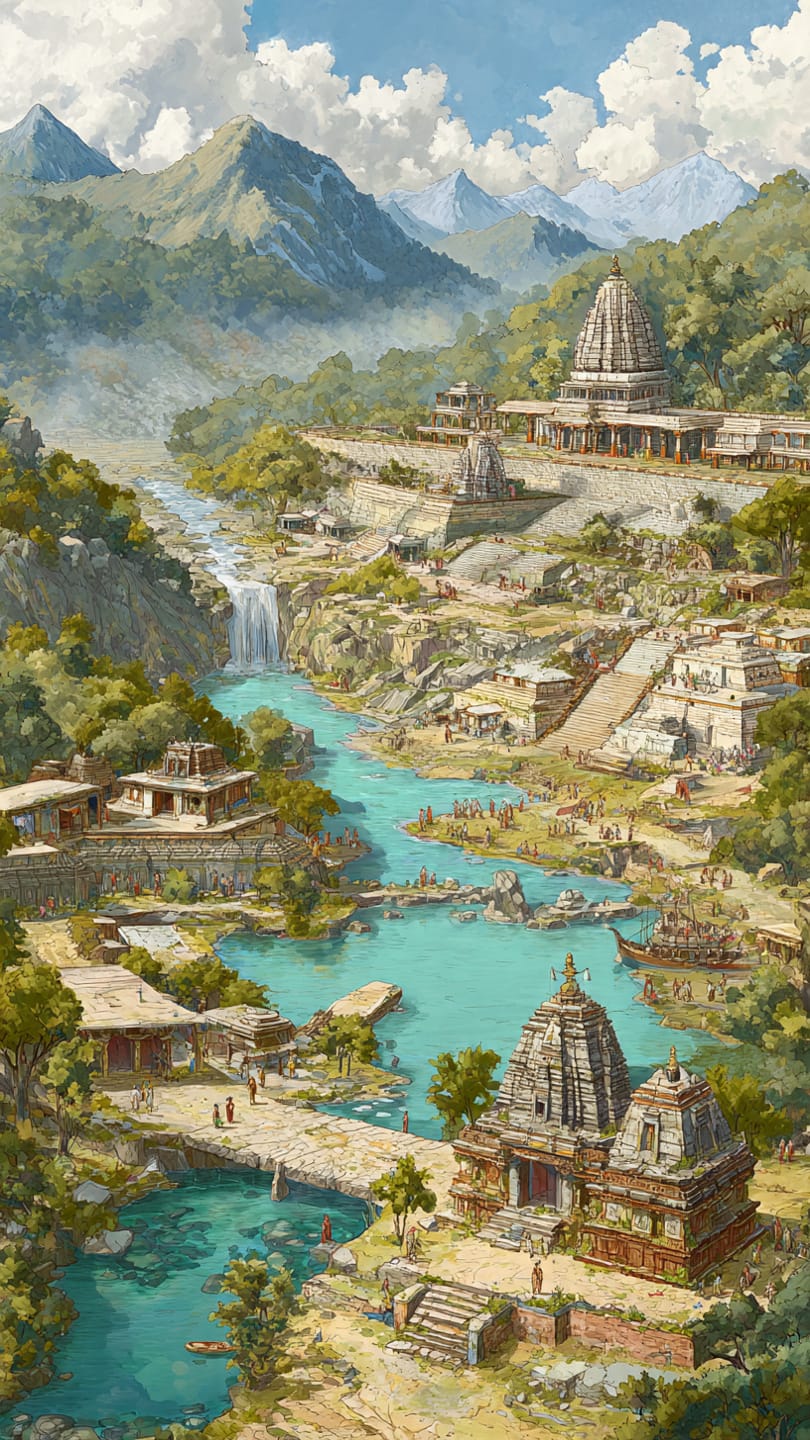
Ancient Names and References of Uttarakhand
In various Hindu and Buddhist texts, Uttarakhand was referred to by different names:
Uttarakuru in Shatapatha Brahmana
Badrikashram and Tapobhoomi in Mahabharata
Brahmapur in Harsha Charita
Himwant for Garhwal in Pali Buddhist texts
Kurmanchal for Kumaon region
These references confirm that Uttarakhand History is deeply rooted in religious, cultural, and mythological traditions.
Manaskhand: History of Kumaon Region
The Kumaon region of Uttarakhand was historically known as Manaskhand. According to mythological texts, Lord Vishnu’s Kurma (Tortoise) Avatar appeared on Kanteshwar mountain, near present-day Champawat. Because of this, the region came to be known as Kurmanchal, which later evolved into Kumaon.
Initially, only areas around Champawat were called Kumaon. Later, Almora, Pithoragarh, Bageshwar, and Udham Singh Nagar were included in the Kumaon region.
Groups and Communities in Ancient Kumaon
According to Skanda Purana, Brahma Purana, and Vayu Purana, several ancient communities lived in Kumaon:
Kirat
Kinnar
Yaksha
Gandharva
Nag
Khas
The Mahabharata also mentions Kirat, Kulinda, Tangava, and Khas groups residing in Kurmanchal.
The Jakhan Devi Temple (Almora) confirms the ancient presence of Yakshas. Similarly, temples dedicated to Nag Devtas—such as Binag, Kalinag, Dhaulnag, and Baskinag—prove the dominance of Nag worship in Uttarakhand History.
Khas and Buddhist Influence
Later, the Khas community became dominant in Kumaon. During their rule, Buddhism spread widely across the region. Before the arrival of Rajputs, the Khas people held political and cultural control in Kumaon.
Kedarkhand: History of Garhwal Region
The present-day Garhwal region was known as Kedarkhand. Ancient texts described it as Badrikashram, Swargbhoomi, and Tapobhoomi.
The name Garhwal came into use around 1515 AD, when King Ajaypal Parmar unified 52 Garhs (forts) of the region.
Vedic and Mythological Importance of Garhwal
According to the Rigveda, Lord Indra destroyed the hundred forts of Asura king Shambar in this region. After a great flood, the Saptarishis restarted human civilisation from Garhwal.
Important sages such as Vashistha, Atri, Marichi, Angira, and Agastya are believed to have meditated here.
Places like Alkapuri (Kubera’s capital) and Tapovan hold immense significance in Uttarakhand History.
Ramayana and Mahabharata Connections
Sita is believed to have entered the earth at Sitonsun (Devprayag)
Lord Rama performed penance at Devprayag
Lakshman Tapovan exists in Tehri Garhwal
Banasur’s kingdom was located at Joshimath
In the Van Parva of Mahabharata, Pandavas travelled through Haridwar, Badrinath, and Kedarnath before ascending to heaven from this region.
Ancient Education Centres of Uttarakhand
Two major Vidyapeeths existed in ancient Uttarakhand:
Badrikashram – Present-day Badrinath
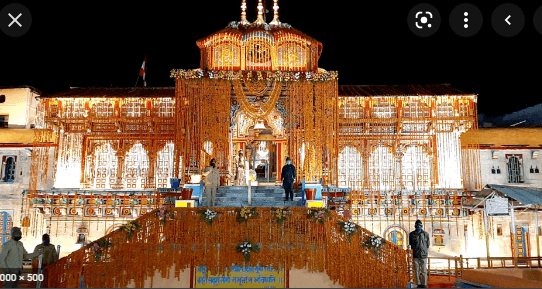
Kanvashram – Near Malini River (Kotdwar)
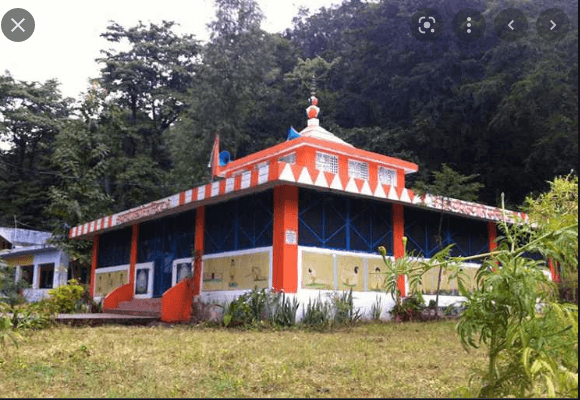
Kanvashram is famous for the love story of King Dushyant and Shakuntala. Emperor Bharat, after whom India is named, was born here.
Kalidasa composed Abhigyan Shakuntalam at this sacred place.
Maurya, Kushan and Kudhidh Dynasty
The Kalsi inscription of Emperor Ashoka, written in Pali, mentions local groups known as Pulinda.
The Kudhidh dynasty (300–900 AD) is considered the first political power of Uttarakhand. King Amogha Bhuti issued silver and copper coins, proving organised governance.
Later, Shaka, Kushan, and Maukhari dynasties ruled parts of Uttarakhand before it came under King Harshavardhana (606–647 AD).
Harshavardhana and Chinese Accounts
During Harsha’s reign, Banabhatta wrote Harsha Charita.
Chinese traveller Xuanzang (Hiuen Tsang) described Uttarakhand as Po-Li-Hi-Mo-Pu-Lo and Haridwar as Mayurpur.
This confirms the political and religious importance of Uttarakhand History during the 7th century.
Kartikeyapur and Katyuri Dynasty
Around 700 AD, the Kartikeyapur dynasty emerged with its capital at Joshimath.
Later, the Katyuri dynasty ruled from the Katyur Valley (Baijnath region).
During this period:
Adi Shankaracharya revived Hinduism
Badrinath and Kedarnath temples were renovated
Jyotirmath was established
The Katyuri dynasty declined after invasions from West Nepal.
Chand Dynasty in Kumaon
The Chand dynasty emerged in Kumaon in 1216 AD with Thohar Chand as its first ruler.
The capital shifted from Champawat to Almora, which developed as a major cultural centre.
In 1790 AD, the Gorkhas defeated the last Chand ruler, ending their rule.
Parmar Dynasty and Garhwal Unification
The Parmar (Pawar) dynasty unified Garhwal under Ajaypal (1515 AD).
Later rulers adopted the title “Shah” after recognition by Delhi Sultanate.
Rani Karnavati, also known as Nak-Kati Rani, bravely resisted Mughal invasions.
Gorkha and British Rule
The Gorkhas invaded Kumaon (1790 AD) and later Garhwal.
After the Anglo-Gorkha War (1814–1816), the British took control of Kumaon and parts of Garhwal.
The Treaty of Sugauli (1816) formally established British rule, except Tehri Garhwal, which remained a princely state.
Conclusion
Uttarakhand History reflects a unique blend of mythology, spirituality, political power, and cultural continuity. From Vedic sages to British rule, this Dev Bhoomi has always remained a centre of civilisation and faith.
Releted Post:-
Prehistoric period of Uttarakhand
Medieval Period of Uttarakhand