Uttarakhand Historical Period (Ancient Times)
Uttarakhand was a weak area in ‘historical period and ancient period’. Most of it was filled with rugged and deserted forests. That is why no one could rule here for a long time. Due to which many rulers came and went in the ‘historical period and ancient period’, in which Kuninda ruler, Shank Samvat, Kushan dynasty, Nag dynasty, Kanauj dynasty, British, Paurav rule and many others invaded and ruled in the state of Uttarakhand but for no more time. Couldn’t rule. In which the most powerful king was the immortality of the Kuninda dynasty, the rest we will understand in detail in the article.
- The Age of Polyarchy
Ancient time
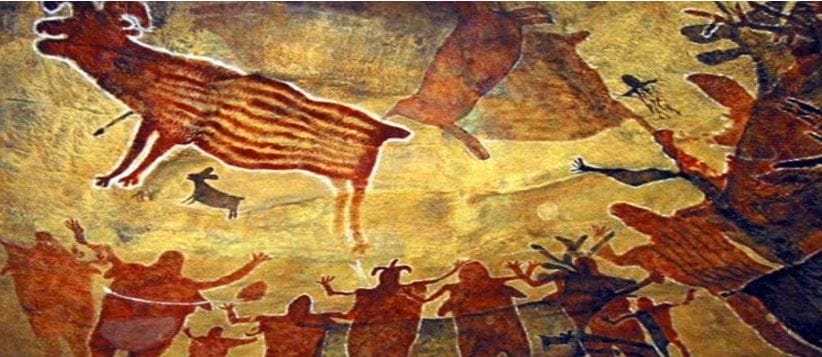
Ancient Uttarakhand was basically a difficult region. Most of it was rugged, deserted, full of forests and almost uninhabited. Therefore, there is no clear information about the establishment or development of a permanent state here. The sources of its ancient history have been added on the basis of few coins, inscriptions and copper plates.
Kuninda Ruler –
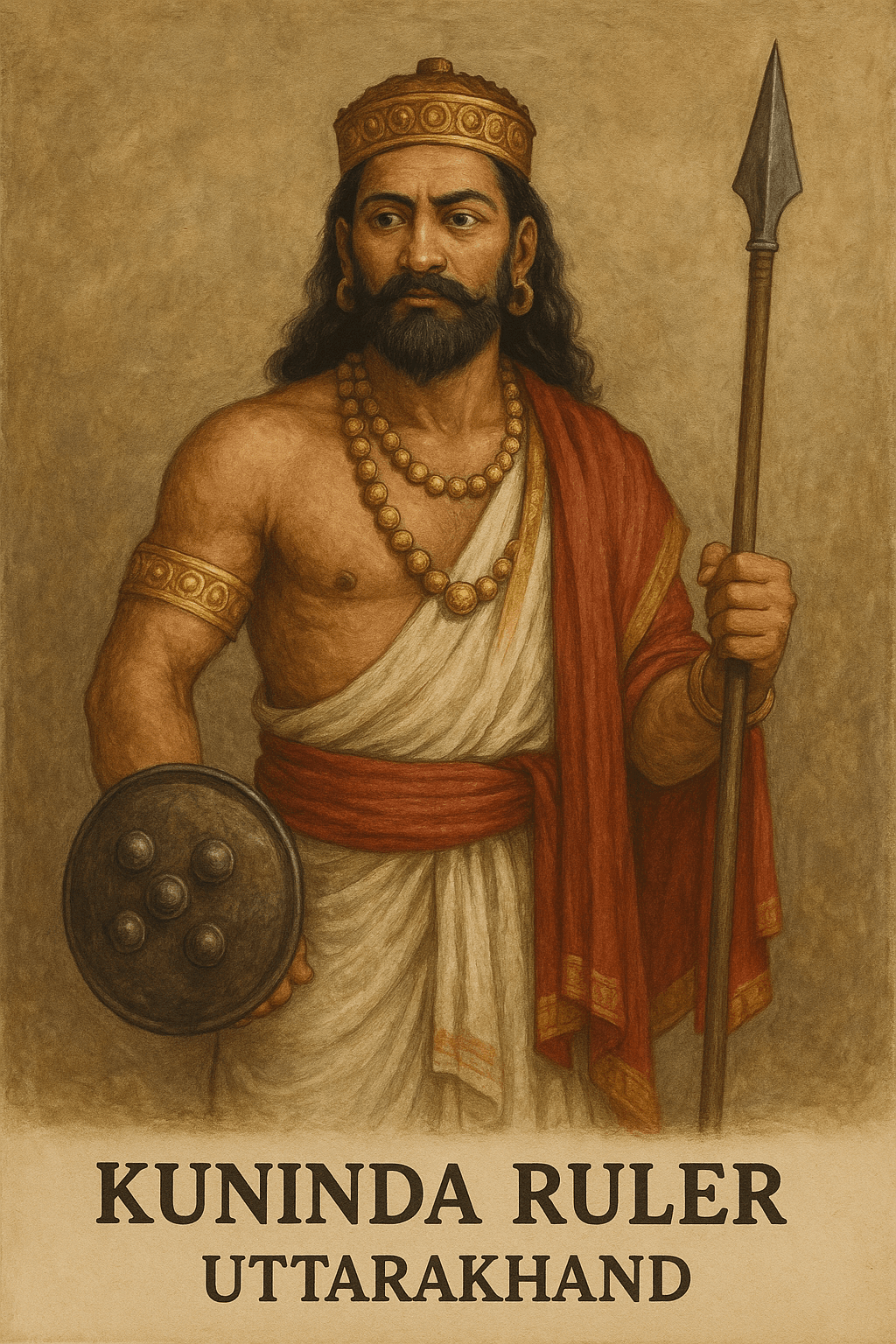
It is known from various sources that Kunind caste was the first political power to rule Uttarakhand. They ruled in the hilly areas of Uttarakhand till about 3rd-4th AD.
- In the Ashoka inscription obtained from a place called Kalsi, located at the confluence of the Yamuna and Tons rivers near Dehradun, the word ‘Pulinda’ for the inhabitants of this area and ‘Aparanta’ for this area has been used. From this inscription it seems that the early Kunindas were under the Mauryas.
- The famous geographer Tamli Kulendra (Kuninda) spread over the Vyasa, Ganga and Yamuna upper regions in the 2nd century BC.
- Amoghabhuti was the most powerful ruler of the Kuninda dynasty. Its silver and copper coins have been received from Vyas to Alaknanda in the west and Sunet and Behat in the south. The pada devi and deer markings on the front of these postures and ‘Ragya Kunindas Amoghabhutis Mahrajas’ in Prakrit are inscribed.
- After the death of Amoghabhuti in the first century AD, the Shakas took control of their plains.
- The prevalence of Shaka era in the Kumaon region and the presence of Sun idols and temples confirm the authority of the Shakas. The Katarmal Sun Temple located near Kosi in Almora is particularly famous.
- After the Shako, in the latter part of the first century, the Kushanas occupied the Terai part of the state. A substantial amount of Kushan period remains have been found from Virbhadra (Rishikesh), Mordhwaj (near Kotdhara) and Govishan (Kashipur).
- At the time of the fall of the Kushanas, there were some new kingdoms, such as – The Govishanas (Kashipur), Kalsi and Lakhamandal, were established and along with the Kunindas also continued to rule over some areas.
- The coins of Kunindo’s ‘contemporary Yodheya’ have been found from Jaunsar-Babur (Dehradun) and Kalon-Danda (Pauri), which confirms his rule. The Yaudheyas played an important role in crushing the Kushanas.
- The ‘Badwala Yagya-Vedika’ (3rd century) was built by a king named Silavarman. Shilvarman is considered by some scholars as Kuninda and some as Yaudheya.
Kritrpur State –
- This territory included Uttarakhand, Himachal Pradesh and the northern part of Rohilkhand. Historians believe that the founder of Kurtupur state was also the Kuninda people.
- In the Prayag Prashasti of Samudra Gupta, the state of Katurpur has been described as a subordinate state situated on the northern frontier of the Gupta Empire.
- In the second half of the fifth century, the Nagas ended the power of the Kuninda dynasty of Katurpur and occupied Uttarakhand.
- In the second half of the 6th century, the Maukhari dynasty of Kannauj ended the power of the serpents and took possession of Uttarakhand.
- After the death of Grihavarma, the last ruler of the Maukhari dynasty, the Maukhari kingdom came under his brother-in-law, Thaneshwar Naresh Harshavardhana. There is a mention of Harshavardhana marrying a mountain princess.
- The people who came to Uttarakhand are described in Banabhatta’s Harshacharita during the reign of Harshavardhana.
- Harsha’s Chinese traveler Hiuen Tsang went to the Po-li-hi-mo-pu-lo (Brahmapur) kingdom of the Himalayas, which was famous for Buddhism and was under Harsha. He has mentioned that there are five Buddhist viharas here.
- The British historian Kernigham considers the entire land area of modern Garhwal and Kumaon to be Brahmapur.
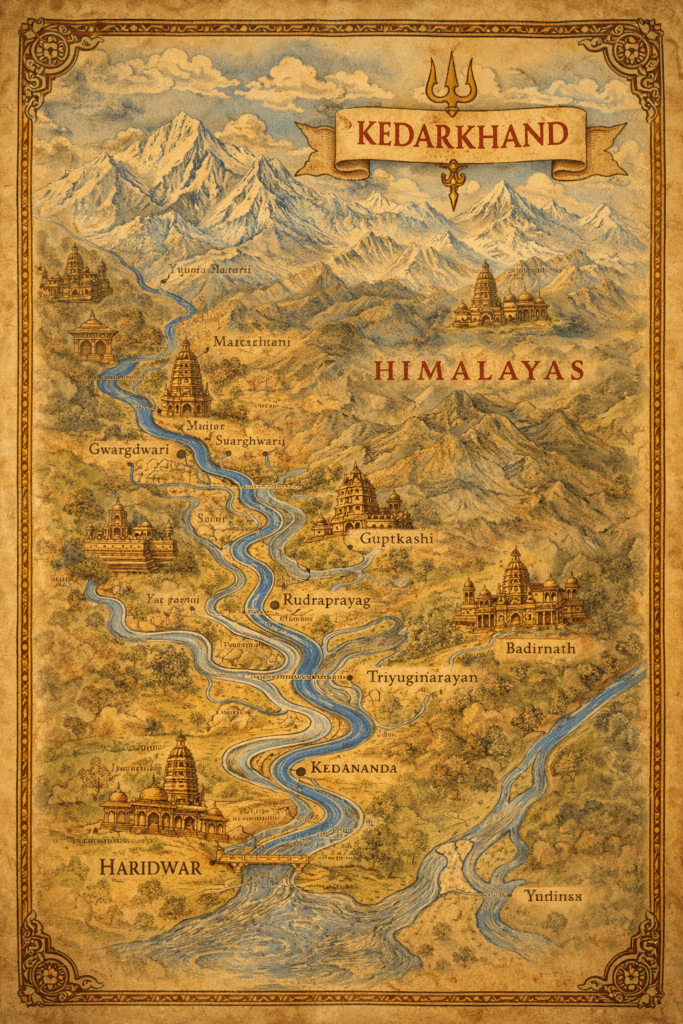
- Hiuensang writes about Haridwar that “there is a city called Haridwar on the banks of the Bhagirathi river, which is about 20 li (Chinese measurement) in the circle”.
The Age of Polyarchy-
- After the death of Harsha, many small states were established in Uttarakhand. In the absence of military power, these weak kings had built small kotos or bastions for protection.
- Among these small states, the kingdoms of Brahmapur, Shatrughan and Govishan were the main ones, of which the largest was the kingdom of Brahmapur.
- 6th In the century AD Brahmapur was ruled by the Pauravas. The names of Vishnu Varman I, Vrishavarman, Aginvarman, Dhutivarman and Vishnu Varman II appear in the main rulers of this dynasty.
- During this disintegration, there were also many Vahra invasions on Uttarakhand. The Chauhan king Vigraharaj invaded southern Uttarakhand and the Tomar kings occupied some parts of eastern Uttarakhand.
Karthikeyapur Dynasty –
- After the death of Harsha, the state of chaos in Uttarakhand ended with the establishment of the Karthikeyapur dynasty in 700 AD. For about 300 years from the beginning, the capital of this dynasty was somewhere in the south of Joshimath (Chamoli) at a place called Kartikeyapur. Later its capital was built at a place called ‘Baidhanath-Kartikeypur’ near Baijnath (Bageshwar) in Katyur Valley of Almora. From the year 700 AD to about 1030 AD, more than three families (vanshas) ruled the state of Karthikeyapur.
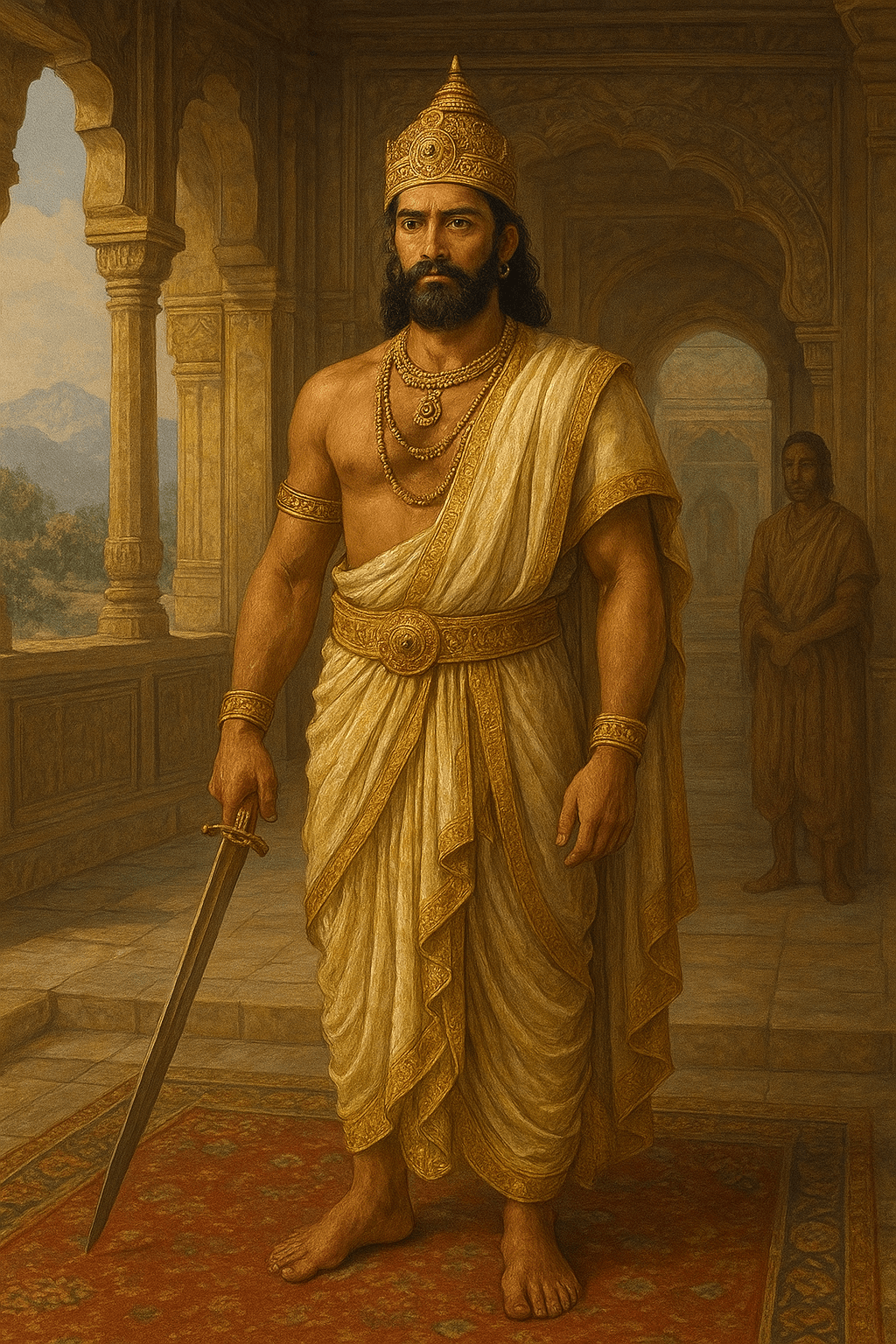
- The history of this dynasty has been written on the basis of copper articles received from its places like Bageshwar, Kandara, Pandukeshwar and Baijnath etc. Therefore, due to authentic evidence, this dynasty is considered to be the first historical dynasty of Uttarakhand (Kumaon).
- According to the British historian Atkinson, the border of Kartikeyapur state extended to Tibet Kailash in the north, Sutlej in the west, Gandaki in the east and Kater (Rohilkhand) in the south.
- According to the Bageshwar inscription, Basantdev was the first king of the first family of this dynasty. He used to assume the title of Parambhadwarak Maharajadhiraj Parmeshwar. He donated a village called Swarneshwar to a temple near Bageshwar.
- The Bageshwar inscription does not specify the name of the later ruler, King Basantdev, but mentions the name of Kharpardev after him.
- The Rajatarangini book of the Kashmiri historian Kalhan mentions the conquest of the Garhwal region by the Kashmiri king Lalitaditya Muktapid. Probably at this time Kharpardev had established a new dynasty by capturing Karthikpur.
- King Kharpardev was a contemporary of King Yashovarman of Kanauj. After this his son Kalyan Raj became the ruler. Whose wife’s name was Maharani Ladadevi.
- The last ruler of the Kharpardev dynasty was his grandson Tribhuvan-Raj. He also assumed the title of Parambhadarak Maharajadhiraj Parmeshwar. The Bageshwar article talks about Tribhuvanraj making a treaty with a Kirat-son and donating land to the temple of Vyadheshwar Devta.
- The Nalanda inscription talks about the invasion of Garhwal by Dharmapala, the Pala ruler of Bengal. Probably, after this invasion, Nibar dynasty was established in place of Kharpardev dynasty in Kartikeyapur state. Nimbar had made a treaty with Palo.
- Nimbar was a Shaivite believer. He got the planes built at Jageshwar.
- After Nimbar, his son Ishtagan became the ruler. This was the first ruler of Kartikeyapur dynasty, who tried to tie the whole of Uttarakhand in one thread. He was also Shaivite like his father. In Jageshwar, he built the temple of Navadurga Mahismardini, Lakulish and Nataraja.
- After the Ishtagana, his son Lalitshur Dev became the ruler. In the copper plate of Pandukeshwar, it has been described as Baravatara for the salvation of the engulfed earth in the Kalikalanka panka.
- In the Pandukeshwar copper plate, there is a mention of Lalitshurdev being succeeded by his son Bhudev as the king. It opposed Buddhism and helped in the construction of Baijnath temple.
- According to the copper inscriptions received from Baleshwar and Pandukeshwar, Salodaditya’s son Ikshradeva founded the Slodaditya dynasty.
- Ikshradeva had assumed the title of ‘Bhuvan-Vikat-Drumdarati-Simanvini-Vaidyvyadikshadan-DakshaGuru (a Teacher successful in initiating legality to the wives of well-known evil enemies). He was very lawful.
- After Ikshradeva, the rulers of this dynasty were Deshatdev, Padmadev, Sumixrajdev etc. respectively.
- According to historian Lakshmidutt Joshi, the king of Kartikeyapur was originally from Ayodhya. King Shalivahan is considered to be the first man of the kings of Kartikeyapur. The presiding deity of these kings was Kartikeya. The people of Kumaon also consider Kartikeya as their folk deity.
- Due to the people-friendly works of the kings of Kartikeya dynasty, it is prevalent in the Kumaon region even today that at the end of Kartikeyapur dynasty, the sun set and it became night.
- Historian Badridutt Pandey calls Kartikeyapuri kings as Suryavanshi. These rulers were adorned with the high rank of Girirajachak Chudamani. So Chakravarti was the emperor.
- The official language of these rulers was Sanskrit and the folk language was Pali. They had Dharmarajya. These kings did many things. His administration was of a high order and there was a good system of bridges and roads.
- According to the Kartikeyapuri copper plates, the boundary of the kingdom of Kartikeya was from one sea to another.
- It was during the reign of Kartikpur dynasty that Adi GuruShankaracharya arrived in Uttarakhand and played an important role in ending the influence of Buddhism in this region and re-establishing Hinduism. In this sequence, the Badrinath and Kedarnath temples were renovated and Jyotirmath was established. He left his body in Kedarnath in the year 820 AD.
Releted Post: