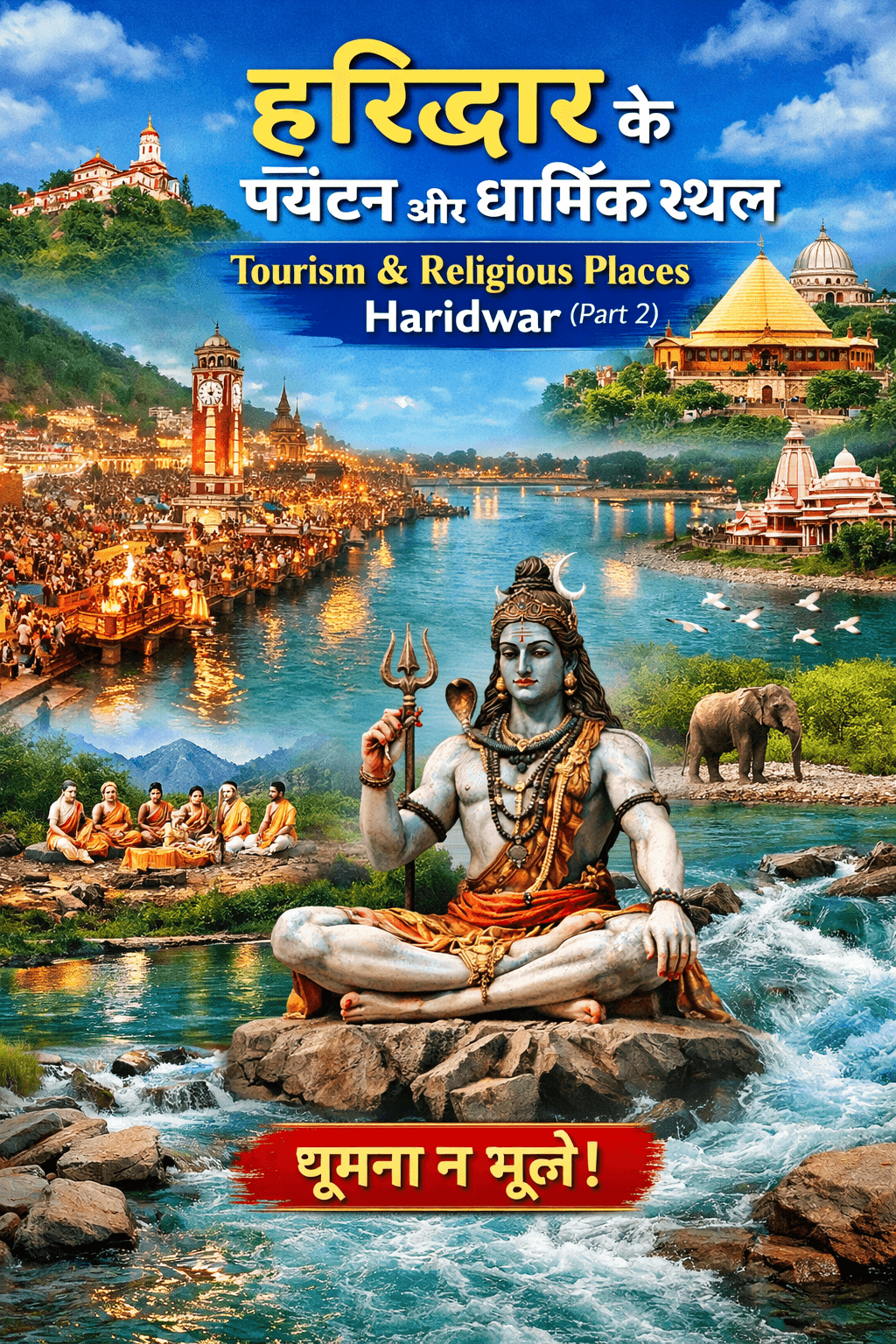
Tourism and Religious Places Haridwar (Part 2)
In the last part we learned about the old history of Haridwar, today we will see those places about which people have belief and faith, if you want to read the old post then its link is given below.
The five places which have been mentioned as important in the mythological texts are – Har Ke Paidi Kushavarta, Nildhara, Kankhal and Bilva Parvat. Harki Paidi (Brahmakund) – First of all the holy ghat here was built by King Vikramaditya in the memory of his brother Bhartrihari. Akbar’s general Raja Mansingh had rebuilt Harki Paidi anew. This holy bathing ghat is also known as Brahma Kund. It is believed that bathing here brings salvation.
Gaughat | 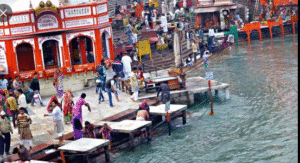 |
Kushavart Ghat | 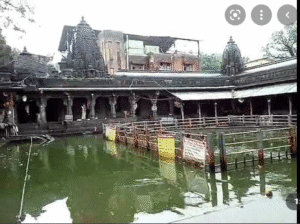 |
Mayadevi Temple |  |
Mansadevi Temple | 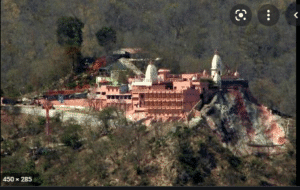 |
Chandidevi Temple | 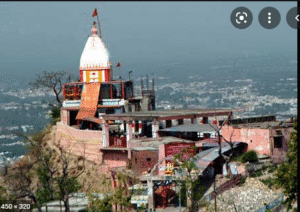 |
Bilvakeshwar Mahadev Temple | 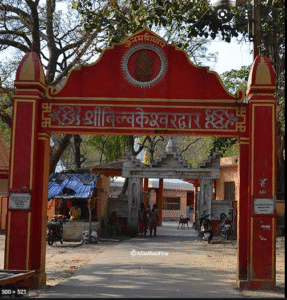 |
Bhimgoda | 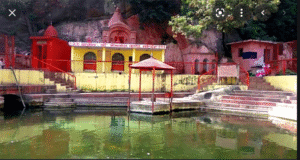 |
Saptarishi Ashram | 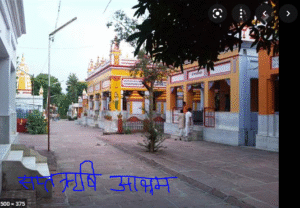 |
Shantikunj | 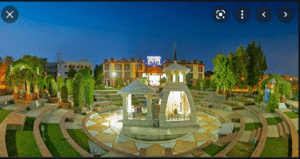 |
KankhalRoorkee |
Tourism and Religious Places Haridwar
Gaughat –
By taking a bath at this ghat located south of Brahmakund, a person gets freedom from the sin of killing cow.
Kushavart Ghat-
Kushavart Ghat is near to Gaughat. Here Dattatreya sage did severe penance standing on one leg. His kush etc. got washed away in the flow of the Ganges. When he was enraged, Ganga returned him and the place was named Kushavart Ghat. This ghat was built by Maharani Ahilyabai, here Shraddha Karma and Pind Daan are done.
Mayadevi Temple –
It is situated in the middle of the city. Mayadevi is the presiding deity of Haridwar. Mayadevi’s temple is the ancient temple of Mayapur i.e. Haridwar.
Mansadevi Temple –
This temple is situated on the Bilva Shikhar of Shivalik mountain range in Haridwar, which is located in the west of the city. The three main and five-armed Ashtnag Vahini idol of Sarparaghi Devi (Mother Mansa) originated from the mind of Brahma and the wife of Jatkaru Rishi is established.
Chandidevi Temple (in Pauri) –
Where there is Mansadevi, it is mandatory to have Chandidevi. The temple of Chandidevi is situated on the Nile Shikhar of Shivalik at the eastern end of Haridwar.
Bilvakeshwar Mahadev Temple –
One of the main places of Shiva, the temple of Bilvakeshwar Mahadev is situated at the foothills of Bilva Parvat. It is said that Parvati did severe penance for the idol of Shiva here. Pleased with his penance, Lord Shiva had appeared to him here.
Bhimgoda –
Bhimgoda Kund is said to be of Pandava period. This kund is said to be made from the top of Bhima’s horse.
Saptarishi Ashram –
It is said that when Ganga ji descended on earth, she stopped seeing Saptarishi’s ashram near Haridwar and could not decide which sage to flow in front of her ashram, because the question was of respect in front of all the sages. And there was also the fear of becoming his wrathful. Then the gods asked the Ganges to be divided into seven streams, and the Ganges flowed in seven streams. Hence this area became famous by the names of Saptasarovar and Saptarishi. Today Saptarishi Ashram is established here.
Shantikunj –
Shantikunj Sansthan was established in 1971 under the patronage of Acharya Pravar Pandit Shri Ram Sharma. Gayatri Yagya and Sadhana are conducted regularly in this institute. Today this place is revered as Gayatri Teerth.
Kankhal –
It is a suburb located to the south of Haridwar. In the mythological period, this city was the capital of Shiva’s father-in-law, Daksha Prajapati. Seeing no place of Shiva in the Yagya organized by Daksha in this city, his wife Sati burnt her body with yoga fire at the present place called Sati Kund.
- Sanatkumars had attained siddhi here.
- This city is described in Kalidasa’s Meghadootam.
- Daksheshwar Mahadev, Tilabhandeshwar Mahadev, Narani Shila, Mahavidya Mandir, Cremation Temple, Rameshwar Mahadev, Mahishasur Mardini, etc. are the main temples here.
Roorkee –
The development of the city of Roorkee started when the construction work of the Upper Ganga Canal started. This canal was conceptualized by the then Governor Thomson and it was constructed by Colonel P.B. Under the leadership of Katle. In its construction, there was important technical cooperation of Asia’s first engineering college, (Thomson College of Civil Engineering) established in Roorkee in 1847. This college is today IIT status.
- Under the technical leadership of this institute, for the first time in India, on 22 December 1851, between Roorkee to Piran Kaliyar, the locomotive ran with two freight coaches. These boxes were filled with soil, which was used for the construction of the Ganga Canal.
- After the first engineering college of Asia established in 1847, many important institutions like Head Office of Defense and Technical Skills, Bengal Engineer Group and Central Building Research Institute, National Institute of Hydrology, Indian Irrigation Research Institute were established in Roorkee.
- Here is the Dargah (Pirane Kaliyar) of Hazrat Alauddin Ahmed ‘Sabir’, which is a living example of unity between Hindu and Muslim religions.
Releted Post:
Prehistoric period of Uttarakhand
Uttarakhand Metahistoric Period
Tourism and Religious Places Haridwar