🌄 Chamoli (Gopeshwar) – Part 1
Spiritual Heritage, Panch Badri, Panch Kedar & Sacred Prayags
Chamoli district, with its headquarters at Gopeshwar, stands as one of the most sacred regions of Uttarakhand. In 1960, Chamoli was carved out of the historic Garhwal district and established as a separate administrative unit. Since then, it has developed into a major spiritual and cultural center of the Himalayas.
A magnificent 7th–8th century Shiva temple still stands in Gopeshwar, reflecting the district’s deep historical roots. On 20 July 1970, devastating floods in the Alaknanda River washed away much of Alkapuri, including several government buildings. As a result, the district headquarters was shifted permanently to Gopeshwar.
Gopeshwar enjoys a balanced climate. Neither extreme summer heat nor harsh winter cold dominates the town, making it one of the most pleasant hill headquarters in Uttarakhand.
Nearby attractions include:
- Rudranath Temple
- Anasuya Temple
- Atrimuni Ashram (where the Valakhilya River falls as a spectacular waterfall)
- Dense groups of hawk trees that enhance the natural beauty of the region
Chamoli is widely known for three major spiritual circuits: Panch Badri, Panch Kedar, and Panch Prayag.
🕉 Panch Badri – The Five Sacred Vishnu Shrines
The Panch Badri temples dedicated to Lord Vishnu are located within Chamoli district. These temples are deeply connected with Hindu scriptures such as the Mahabharata and Puranas.
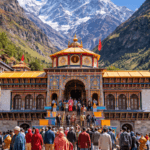
1️⃣ Badrinath Temple (Vishal Badri)
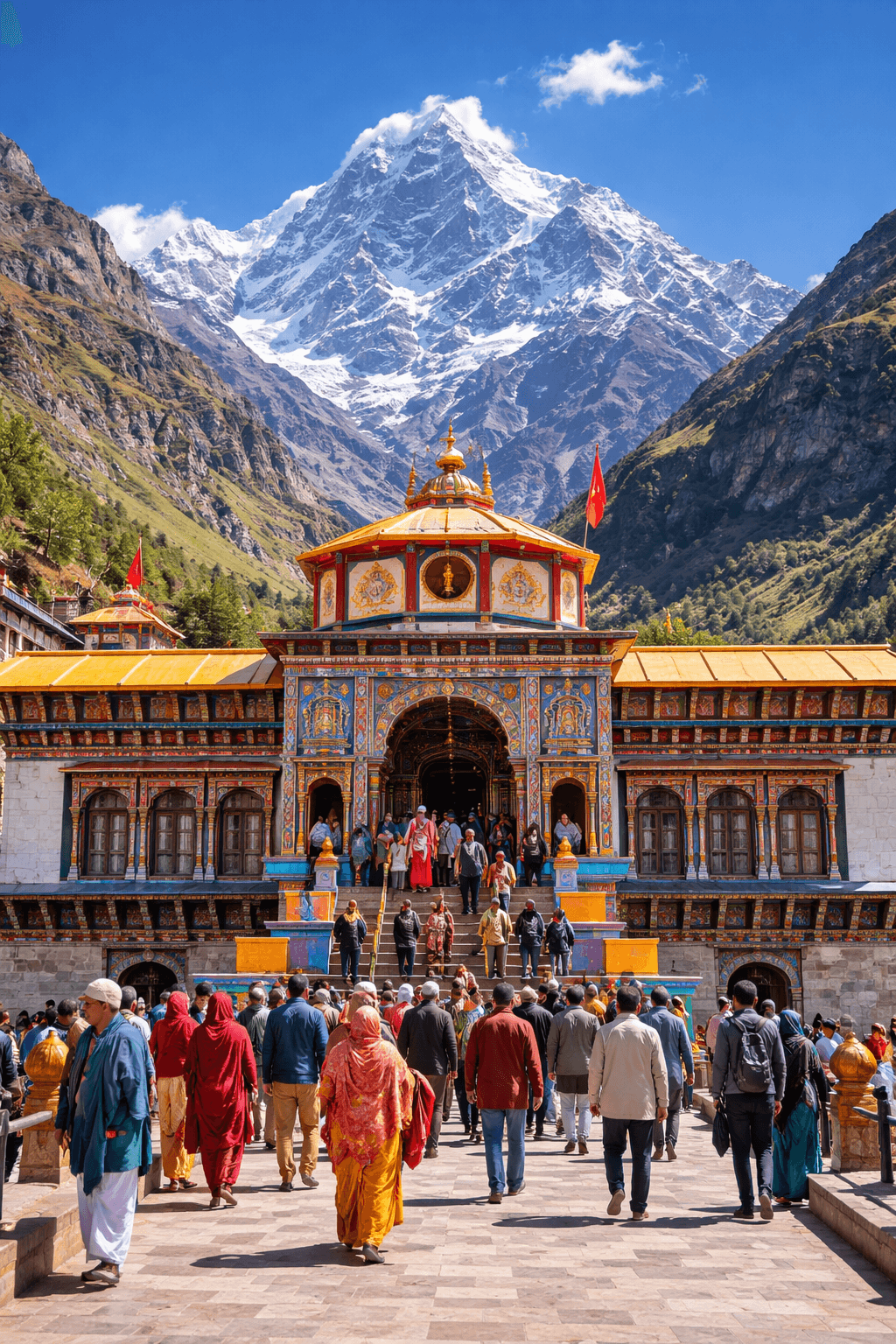
One of the four Char Dhams of India, Badrinath is located 384 km from Haridwar and 51 km north of Joshimath. It stands at an altitude of 3,133 meters above sea level.
In ancient scriptures, Badrinath has been referred to as Muktiprada, Yogsiddha, Badrivan, Badrikashram, Vishal, and Narnarayanashram.
The temple is situated between the Nar and Narayan mountain ranges, with the majestic Neelkanth peak forming a divine backdrop. The area was once covered with wild Badri trees, which gave the place its name “Badri Van.”
On the banks of the Alaknanda River, directly in front of the temple, lies Tapt Kund — a sacred hot water spring where pilgrims take a holy bath before entering the temple.
Temple Structure
The temple is divided into:
- Sihdwar (Main Entrance)
- Mandap (Assembly Hall)
- Garbhagriha (Sanctum)
The main idol of Lord Vishnu is black in color and seated in a meditative posture. It is believed that Adi Shankaracharya recovered the idol from Narad Kund and reinstalled it here.
The temple opens every year in April–May and closes around the third week of November.
The priests, known as “Ravals,” traditionally belong to the lineage established by Adi Shankaracharya from South India.
Sacred Kund (Water Tanks)
- Tapt Kund
- Narad Kund
- Satyapath Kund
- Trikon Kund
- Manushya Kund
Sacred Shilas (Holy Rocks)
- Garuda Shila
- Narada Shila
- Markandeya Shila
- Narasimha Shila
- Brahma Kapal
Nearby caves include Skandagupta Cave, Muchkund Cave, Garudshila Cave, and Ram Cave. Close to Mana Village are the famous Ganesh and Vyas Caves.
The Matamurti Temple, dedicated to the mother of Lord Badrinath, is also established here.
2️⃣ Adi Badri
Located near Karnaprayag, Adi Badri consists of sixteen small temples. Seven of them, with flat roofs, are considered extremely ancient and were built during the Gupta period.
The temples are constructed on small platforms ranging from 2 to 6 meters in height. The main temple houses a one-meter-high black stone idol of Lord Vishnu.
3️⃣ Bhavishya Badri
Situated 25 km from Joshimath towards Subhain village, Bhavishya Badri is believed to be the future seat of Badrinath worship.
4️⃣ Vriddha Badri
Located at Animath, 7 km from Joshimath at 1,380 meters altitude, this is where Adi Shankaracharya first established the idol of Badrinath.
5️⃣ Yogadhyan Badri
Situated at Pandukeshwar, 24 km from Joshimath, this temple is associated with meditation and spiritual discipline.
🔱 Panch Kedar – Sacred Shiva Shrines
The five Kedars include Kedarnath, Tungnath, Rudranath, Madhyamaheshwar, and Kalpeshwar. Out of these, two are located in Chamoli district.
Rudranath Temple
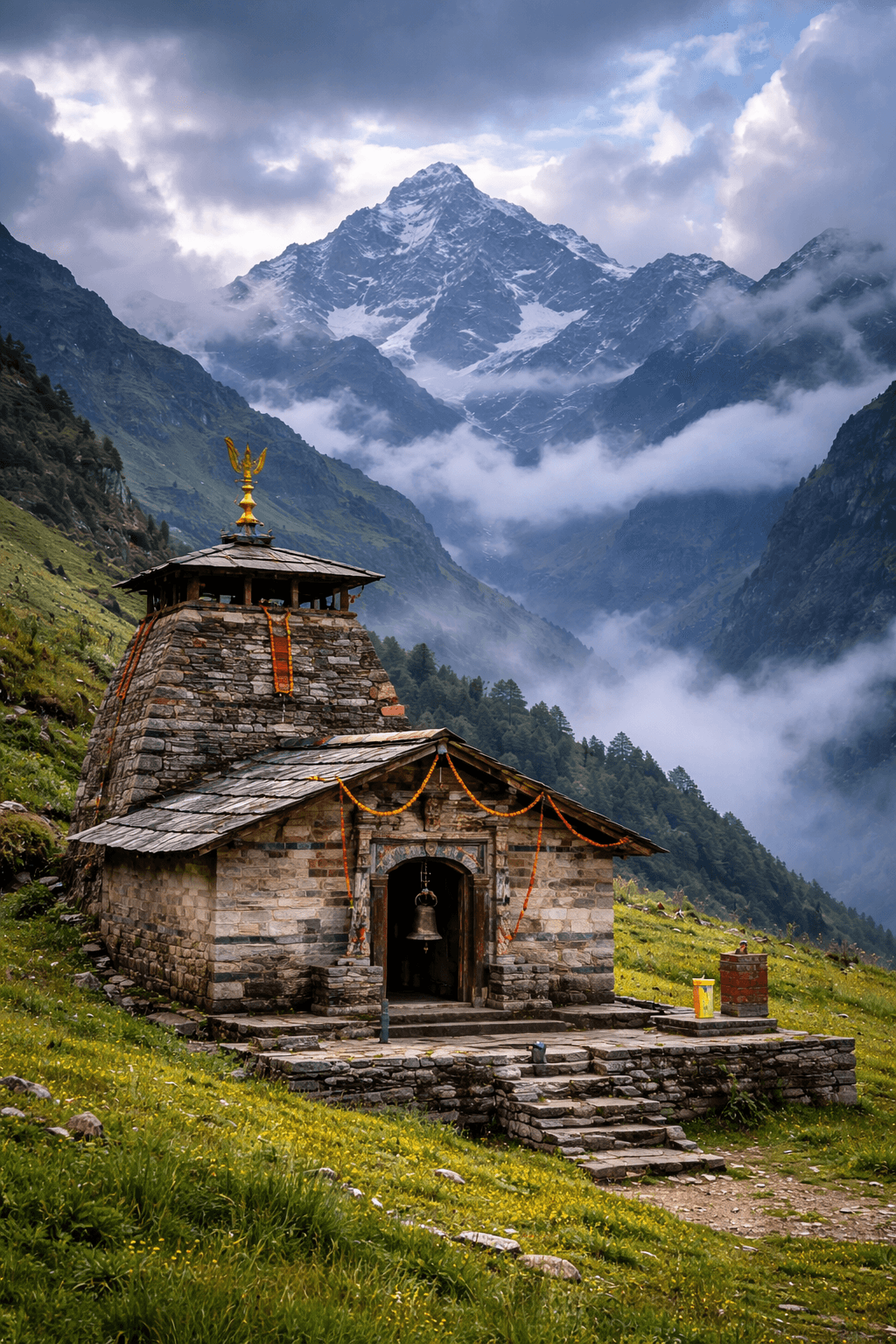
Located at 2,286 meters above sea level and about 23 km from Gopeshwar, Rudranath Temple worships the fierce face (Raudra Roop) of Lord Shiva.
The region is world-famous for the rare Brahma Kamal flower. It is believed that after death, souls pass along the sacred Vaitarni River located here.
Kalpeshwar Temple
In this temple, the hair (Jata) of Lord Shiva is worshipped. It is believed that Apsara Urvashi and Rishi Durvasa performed penance here under the Kalpavriksha. The temple remains open throughout the year, even during winter.
🌊 Panch Prayag – Sacred River Confluences
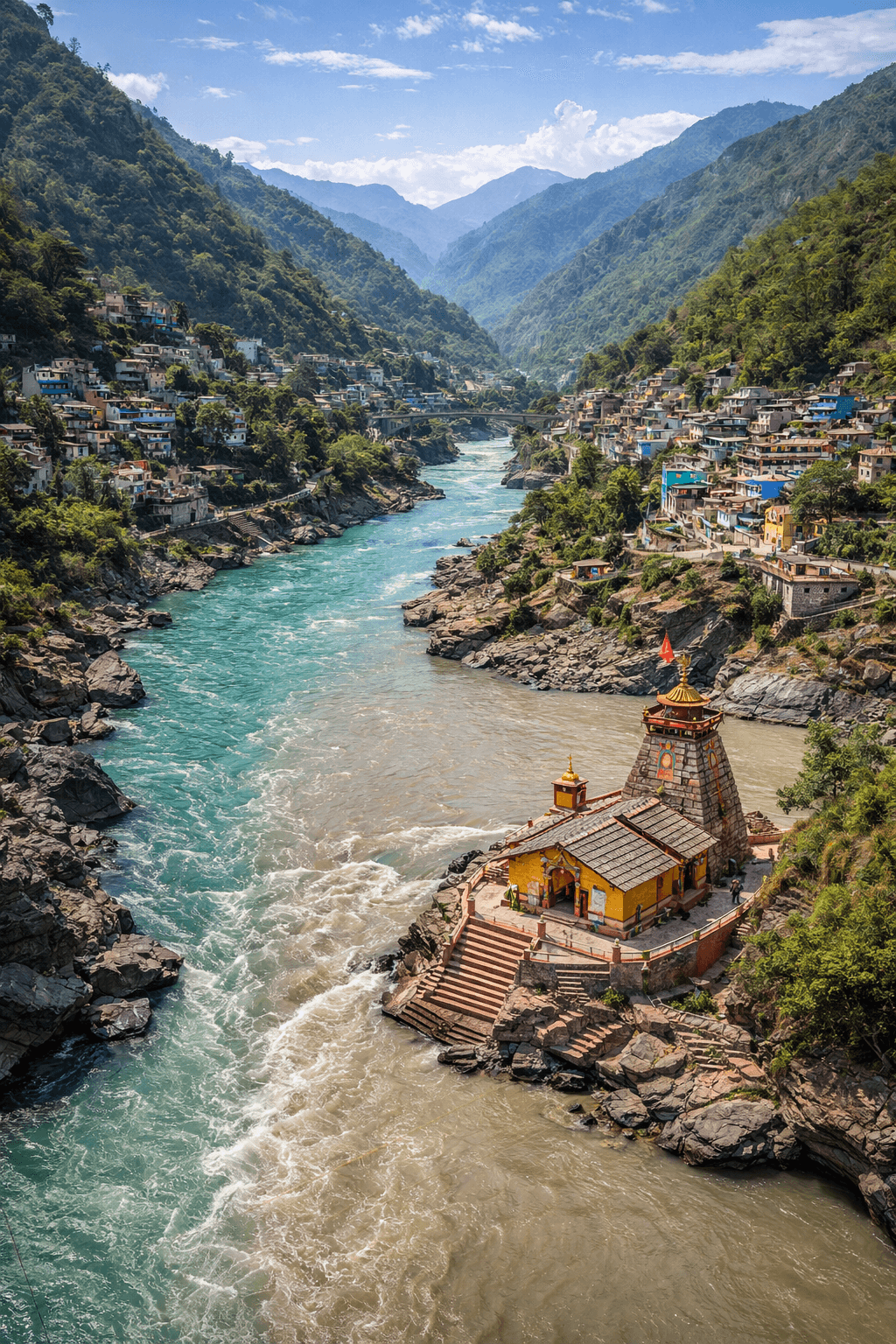
The Panch Prayag refers to five sacred river confluences in Garhwal. Out of these, three are located in Chamoli district:
- Vishnuprayag
- Nandprayag
- Karnaprayag
Vishnuprayag
Situated at 1,372 meters above sea level, it is the confluence of Alaknanda and Dhauliganga rivers. It is believed that Narad Muni worshipped Lord Vishnu here.
Nandprayag
Located at 914 meters altitude, it is the confluence of Alaknanda and Nandakini rivers. The place is said to be named after King Nanda.
Karnaprayag
Situated on the Rishikesh–Badrinath road, it is the confluence of Alaknanda and Pindar rivers. According to mythology, Karna performed penance here and received Kavach and Kundal from Lord Surya.
✅ Part 1 Completed.
In Part 2, we will cover: Valley of Flowers, Auli, Nanda Devi, Hemkund Sahib, Roopkund, Mana Village, Joshimath, Gairsain, and other natural and cultural attractions.
Others Post:-
- 🌄 Chamoli (Gopeshwar) – Part 1
 🌄 Chamoli (Gopeshwar) – Part 1 Spiritual Heritage, Panch Badri, Panch Kedar & Sacred Prayags Chamoli district, with its headquarters at Gopeshwar, stands as one of the most sacred regions of Uttarakhand. In 1960, Chamoli was carved out of the… Read more: 🌄 Chamoli (Gopeshwar) – Part 1
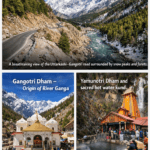
 - Uttarkashi to GangotriUttarkashi to Gangotri: A Sacred Journey Through Devbhoomi Uttarakhand 🏔️ Uttarkashi to Gangotri – A Divine Himalayan Journey From the very first lines of this article, you must have understood which sacred route we are about to explore. Most people… Read more: Uttarkashi to Gangotri
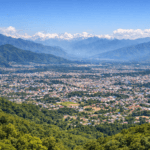
- What Is Dehradun Famous For? Complete History & Tourist GuideDehradun, the capital of Uttarakhand, is famous for its natural beauty, temples, caves, waterfalls, history, and nearby hill stations like Mussoorie.
- Tourism and Religious Places Haridwar (Part 2)Tourism and Religious Places Haridwar (Part 2) In the last part we learned about the old history of Haridwar, today we will see those places about which people have belief and faith, if you want to read the old post… Read more: Tourism and Religious Places Haridwar (Part 2)
- Tourism and Religious Places HaridwarTourism and Religious Places Haridwar Haridwar Tour Place I will tell you today about ‘Hariddhar Tour Palace’ which is also called Dwar of Uttarakhand, from where Uttarakhand has also started, the place from where the journey of Char Dham… Read more: Tourism and Religious Places Haridwar